

A tiny owl, a dark sky, and a few careful measurements all lead to vital data points that help protect a species. 💫
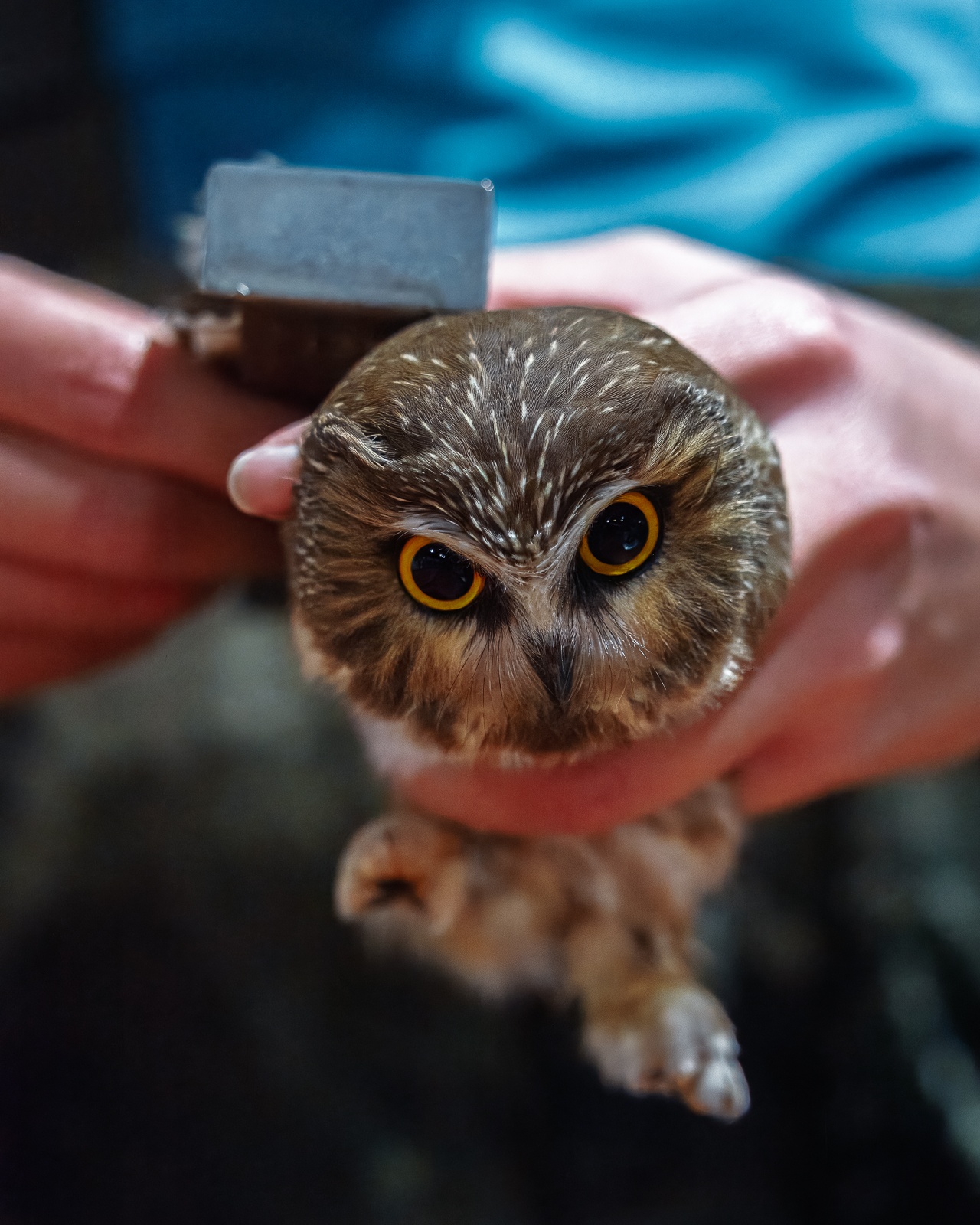
Adorable (but vicious)
This tiny powerhouse is a Northern Saw-whet Owl, one of the smallest and least understood owl species in North America. Under red lights and with quiet voices, licensed banders with Wild Bird Research Group (WBRG) work methodically through each step: gently removing the owl from the net, fitting a lightweight band, recording measurements, and releasing it back into the night. These owls move through the darkness almost invisibly, and much of what we know about where they travel, when they migrate, and how they survive comes from banding work like this.
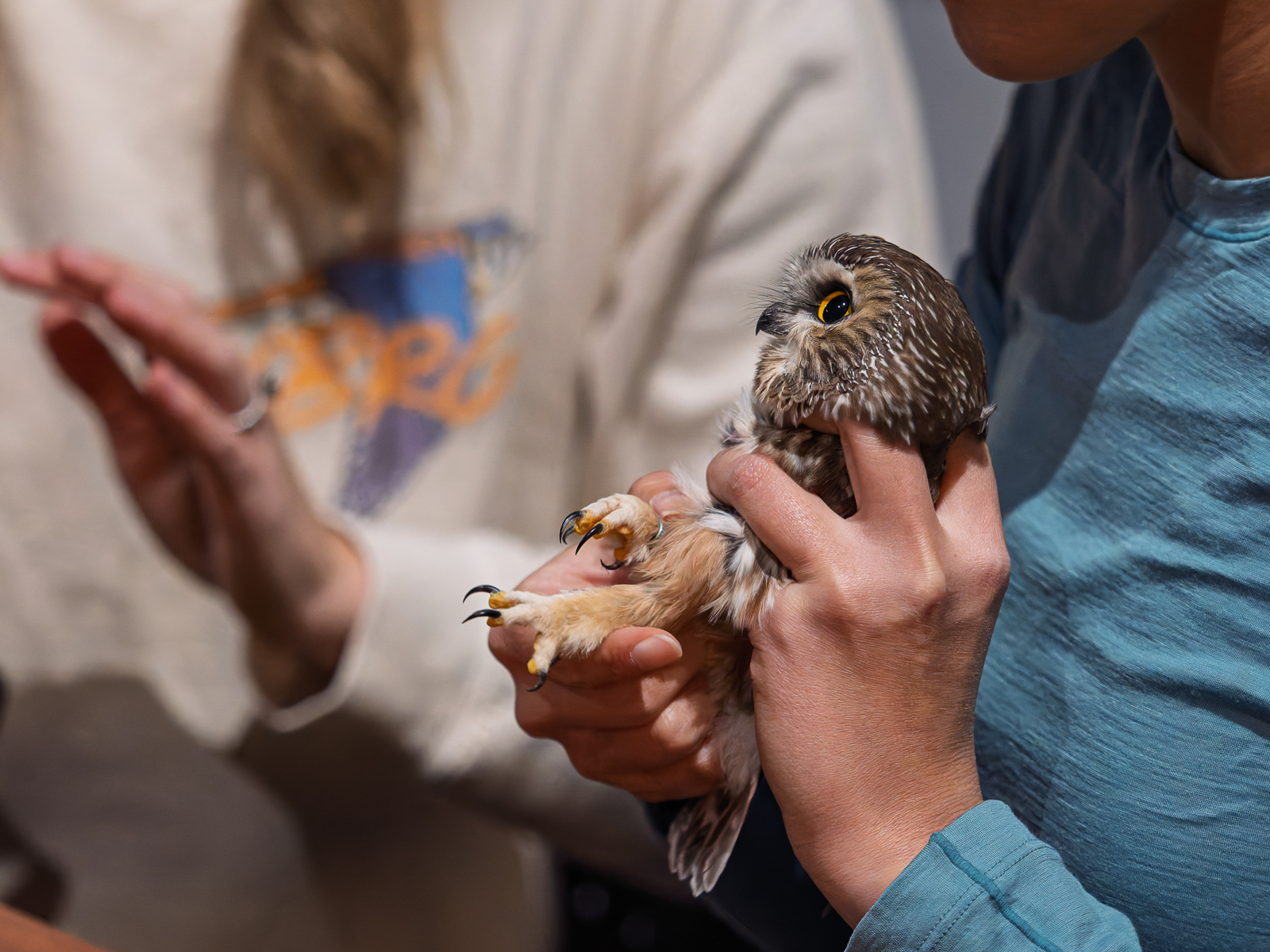
The side eye is strong
I had the privilege of serving on the board of WBRG for five years (2020–2025), and returning to the station with fellow science geeks was invigorating. There’s patience, precision, and care that goes into every data point and every bird that’s caught. Banding nights are about building long-term knowledge that helps guide conservation decisions. Each tiny band represents a story still unfolding somewhere in the darkness.
Right now, you can support this important work through WBRG’s Adopt-an-Owl program. This symbolic adoption helps fund the science behind moments like this, and connects you to a real owl’s journey. Perfect for a bird nerd during the holidays!
-
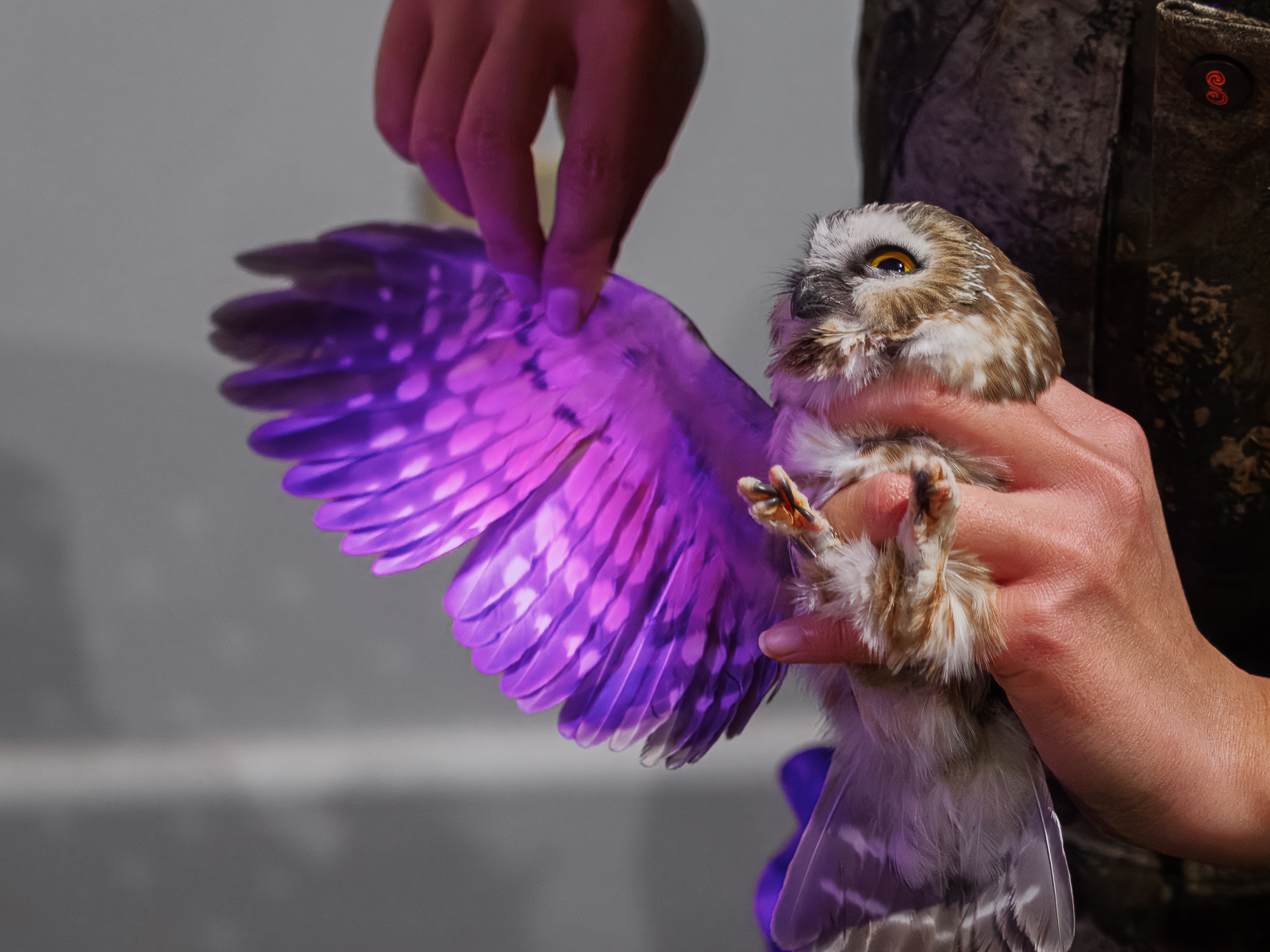
- A blacklight is used on the owls to age them – the UV light produced from the blacklight causes the porphyrin pigments in the feathers to glow a fluorescent pink color. New feathers glow brighter.
-
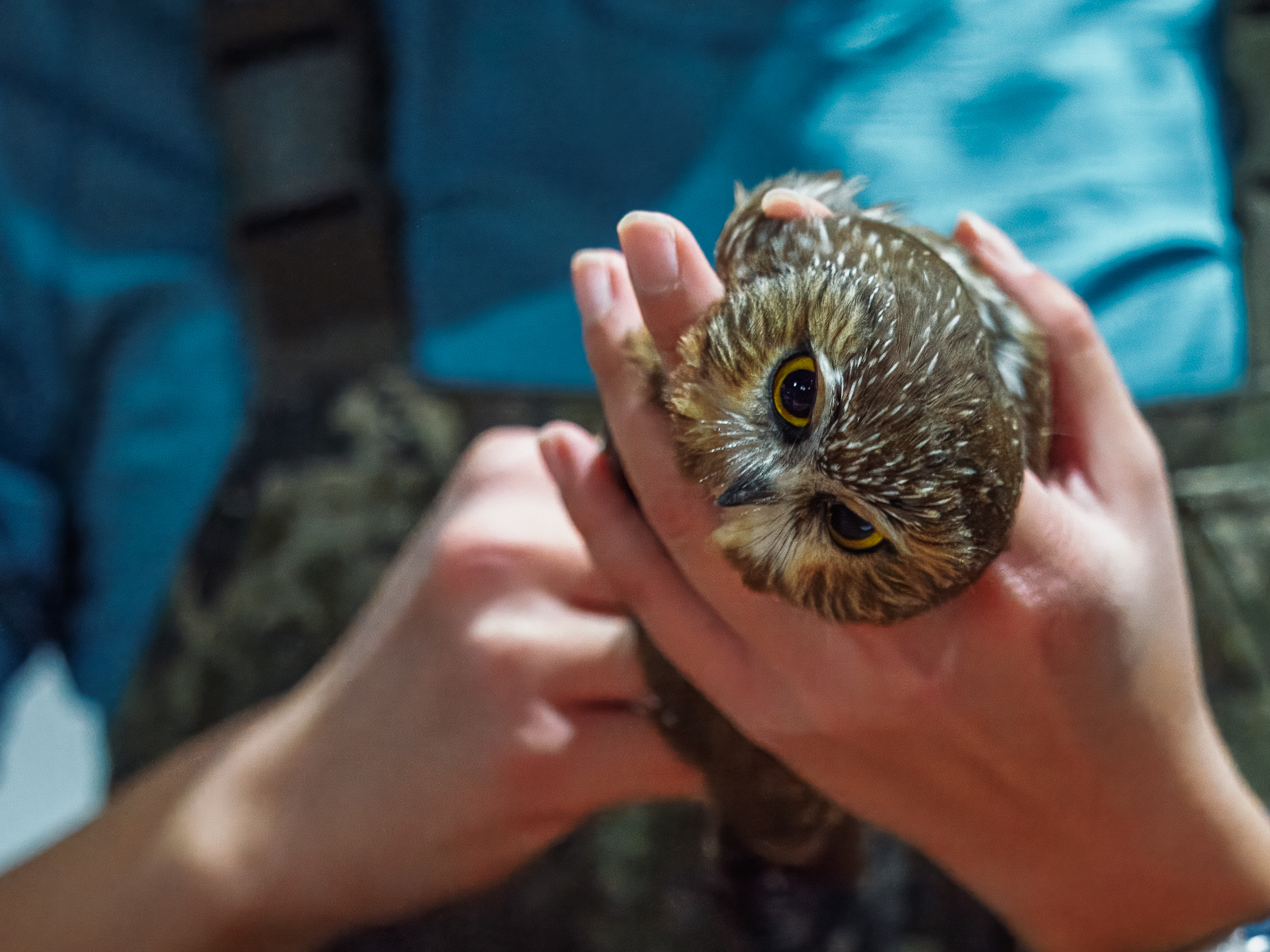
- “Unhand me!”
-
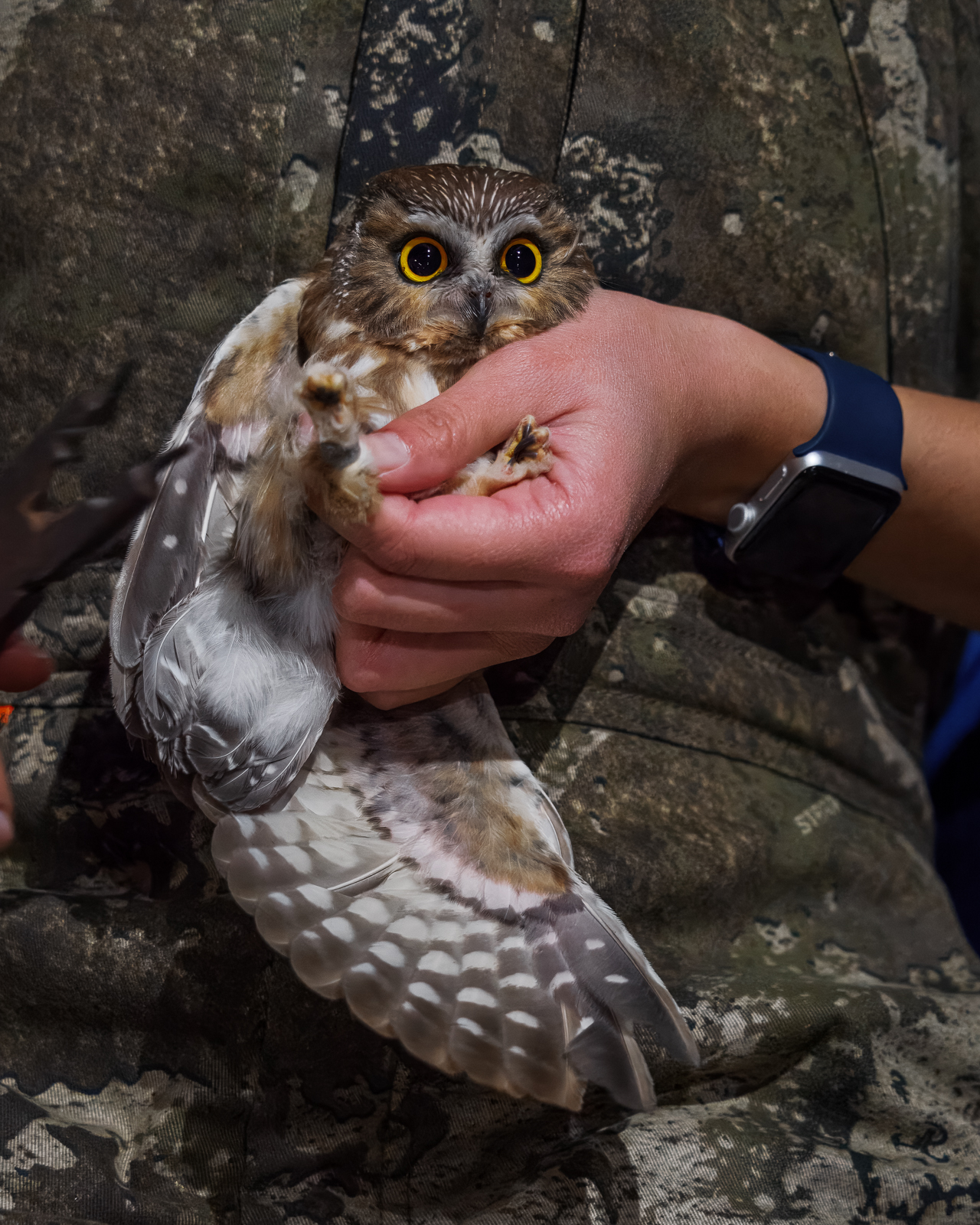
- Blending in
-
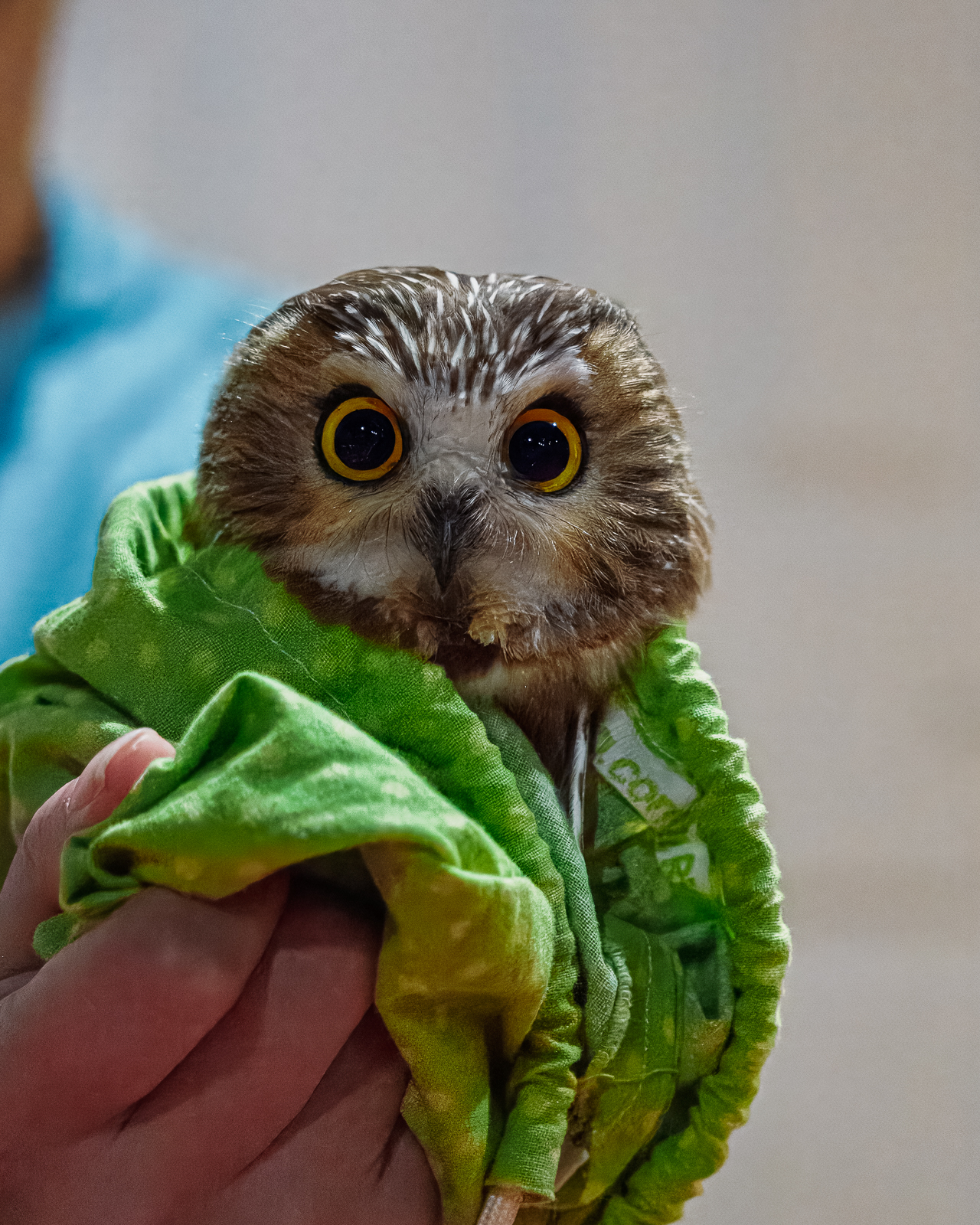
- Peeking out from the bag that they’re weighed in
-
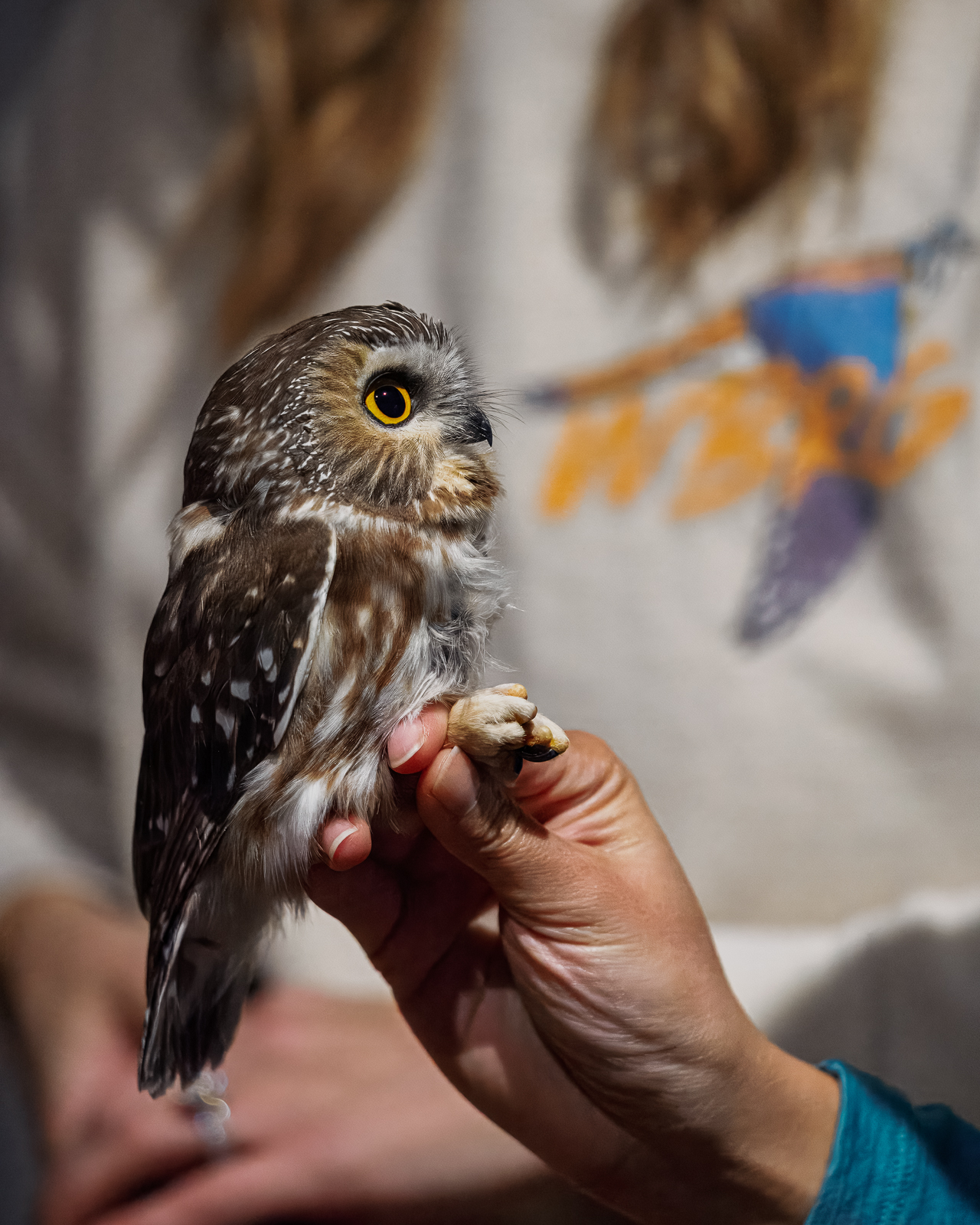
- Just a girl, staring at a bander
-
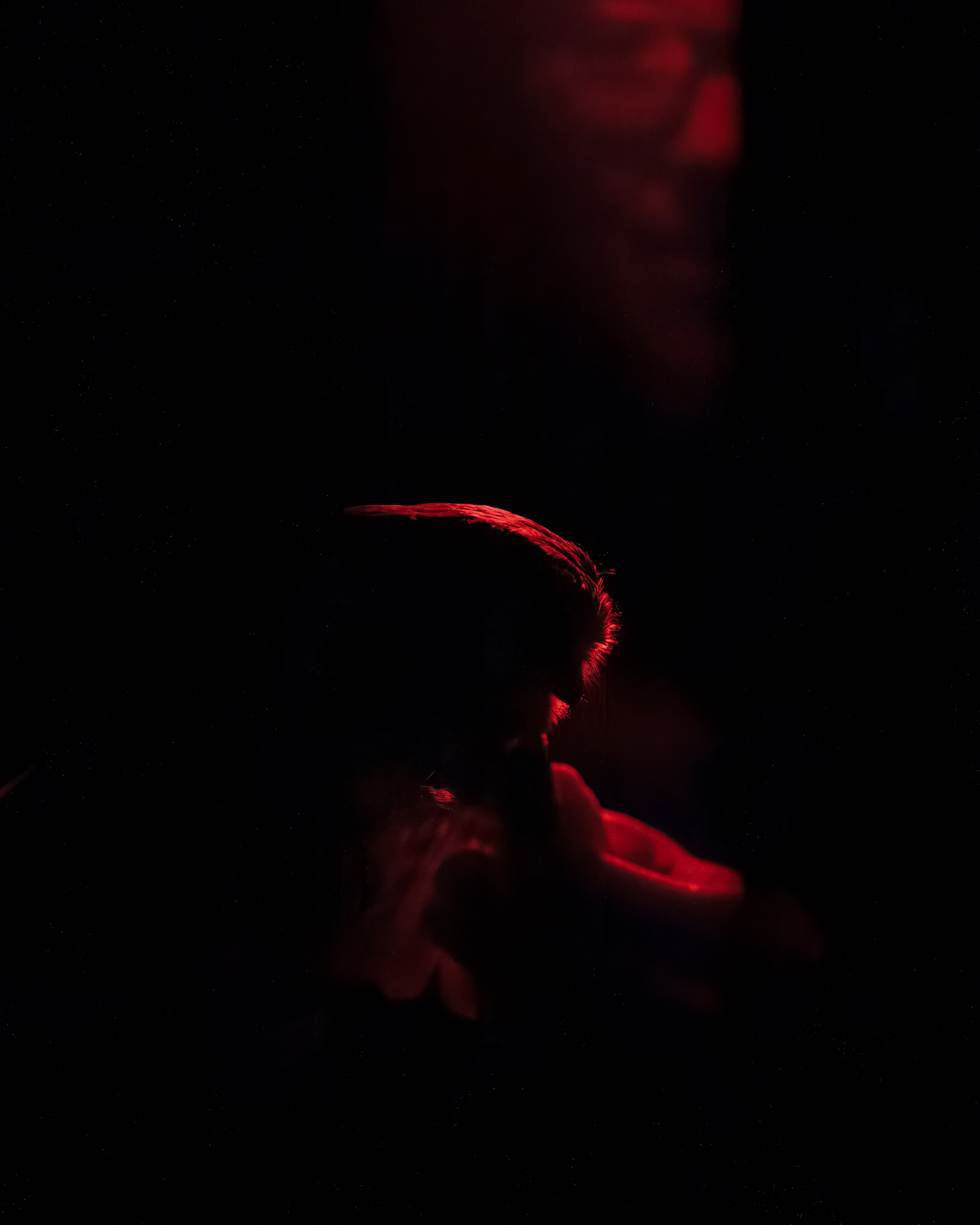
- Being released in red light
(All birds handled with proper permits and training.)
Leave a reply