

There’s nothing quite like watching a Brown Pelican sweep low over the water, wingtips almost brushing the waves. They feel like a living link to another, more prehistoric time. Ever since I heard biologist Juita Martinez call them “dinosaur floofs,” seeing young pelicans has been high on my bird wish list.
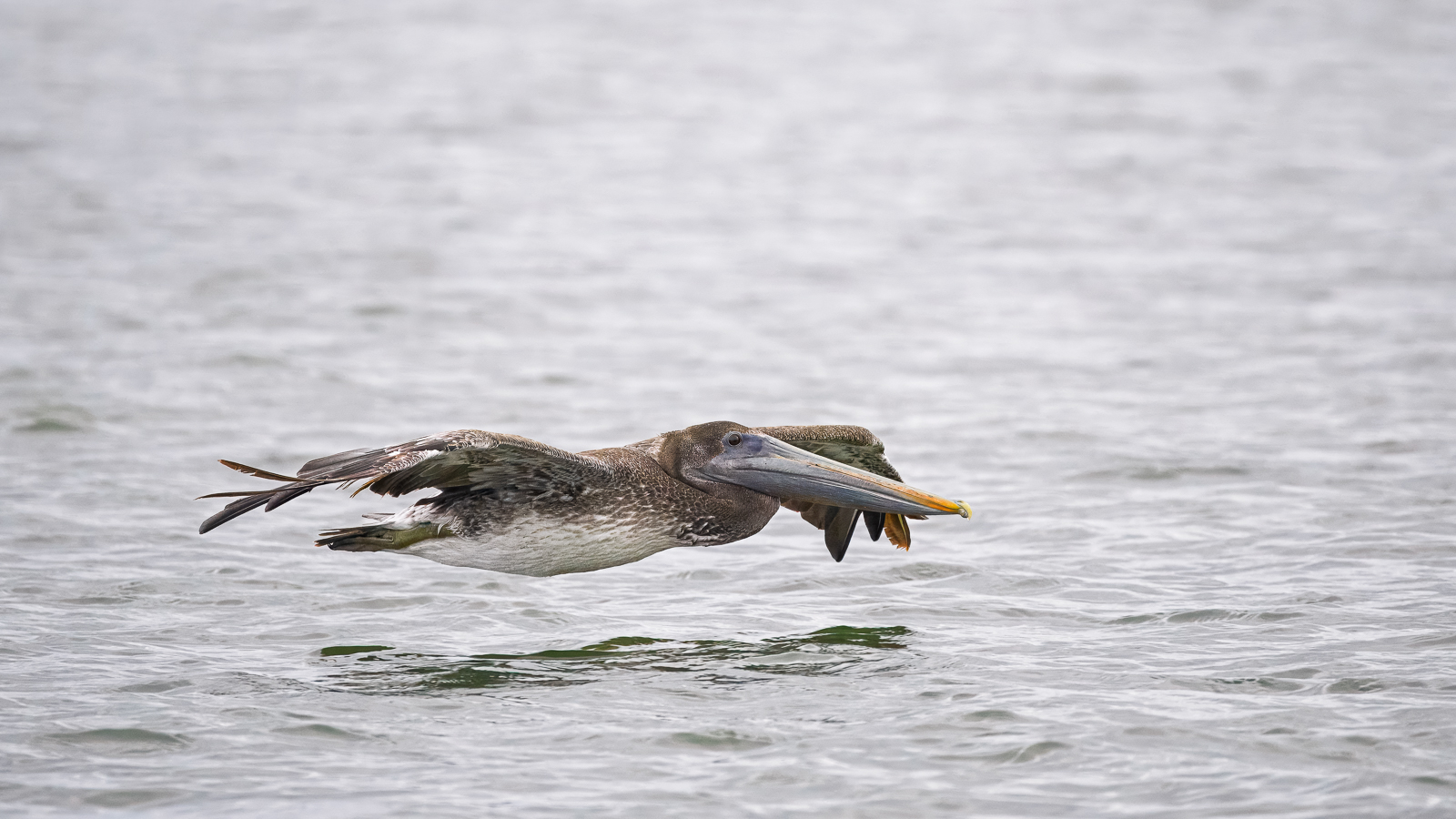
Brown Pelican soars low above the water
I’ve spotted Brown Pelicans in a few states, and even in south Jersey on rare occasions (thanks, climate change). But I’d never seen chicks or juveniles. Thankfully, I didn’t have to travel far to change that. Brown Pelicans nest as close as Maryland, the furthest north they breed on this coast. Each summer, Delmarva Birding‘s Jim Rapp runs trips to see the colonies and this year, I finally made it aboard.
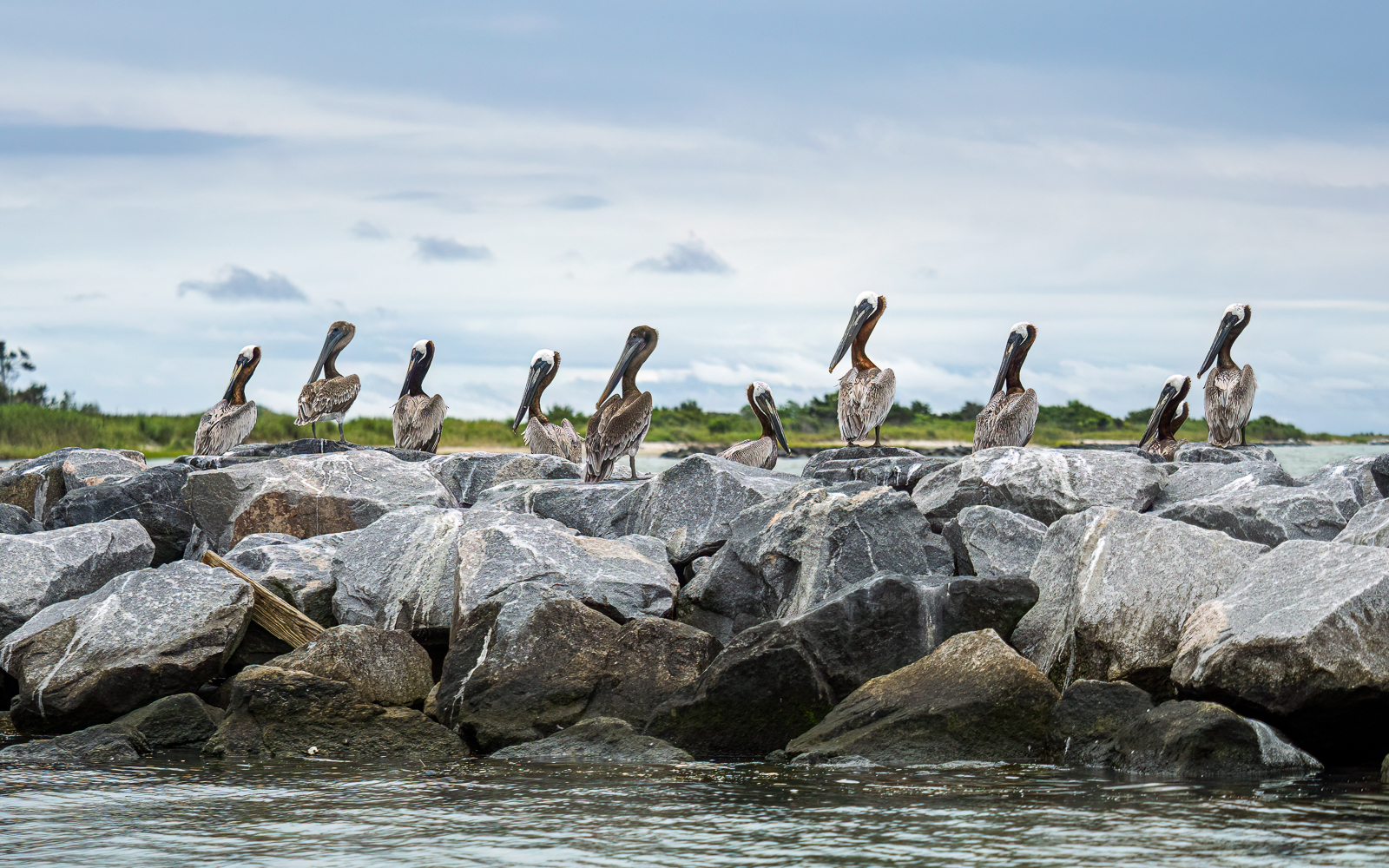
Brown Pelicans
We spent the morning motoring out to Smith Island from Crisfield, Maryland. After a wild lightning storm the night before, the morning sun broke through the clouds, hopefully a sign of a warm day. But as we crossed the water, the sky darkened again and rain poured down. Not ideal, though thankfully our boat was partially enclosed. It did make for some fun (and challenging) photography!
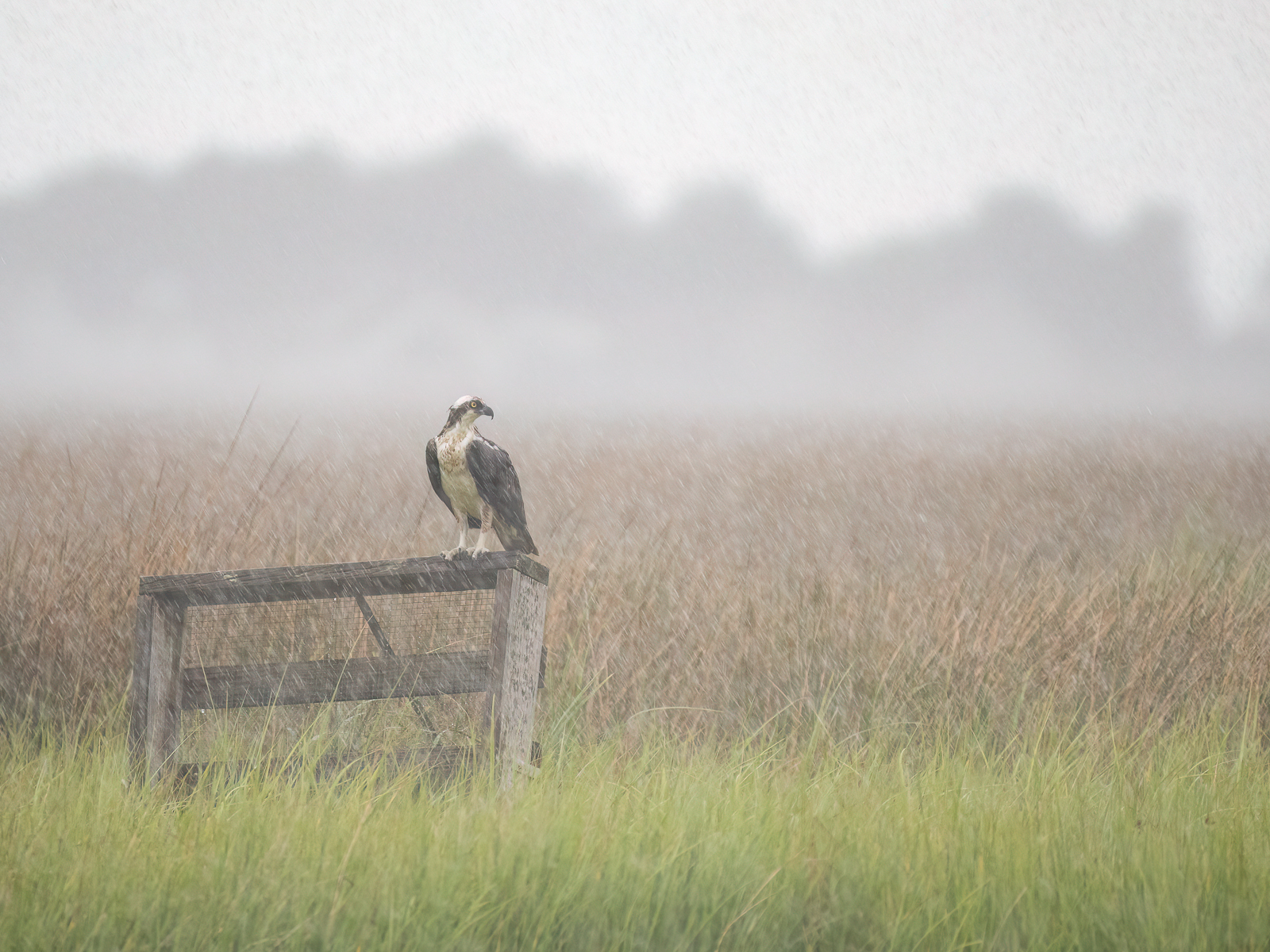
Osprey sitting in the pouring rain
We made a few stops along the way and anticipation was building (and the weather improved too!).
-
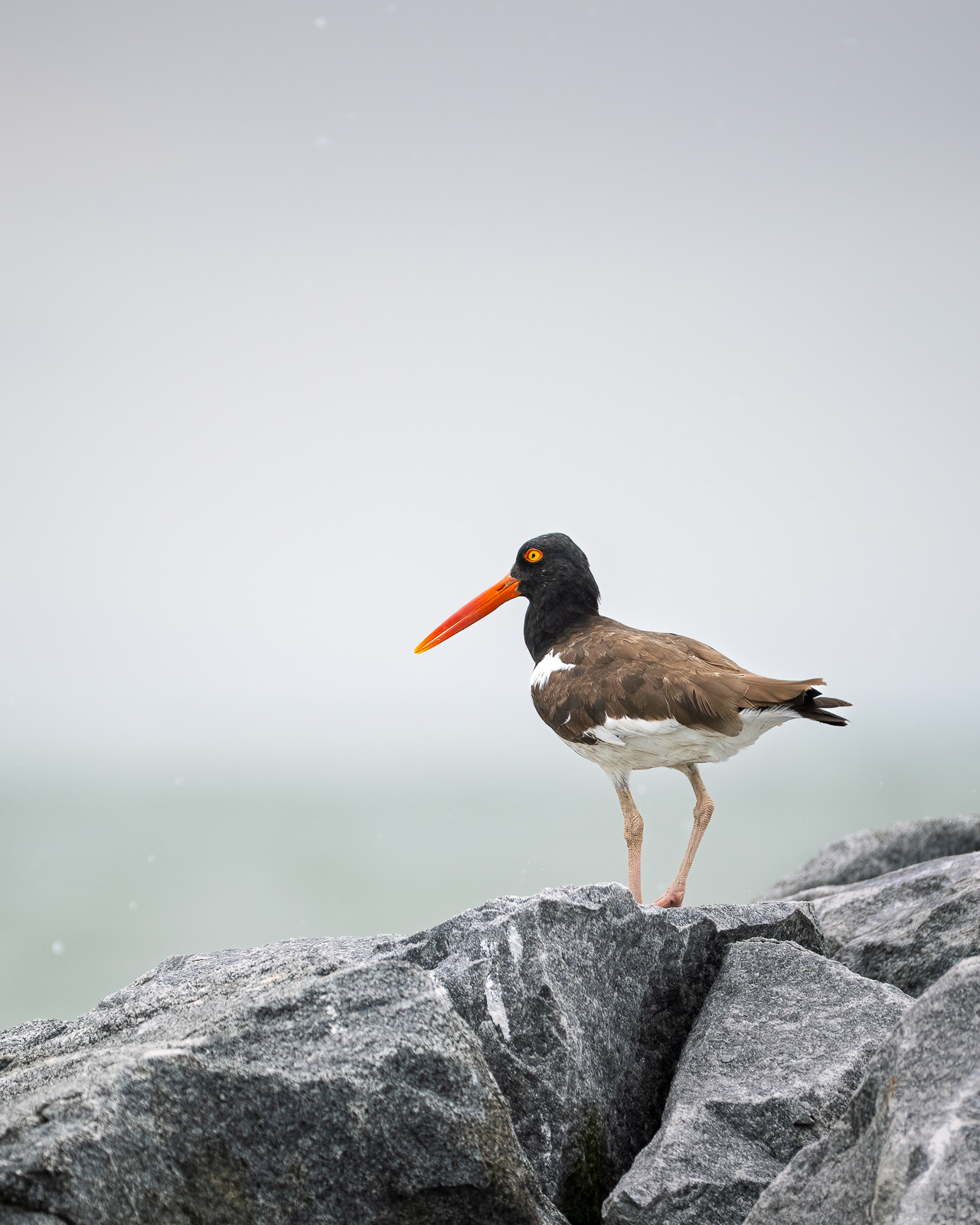
- American Oystercatcher
-
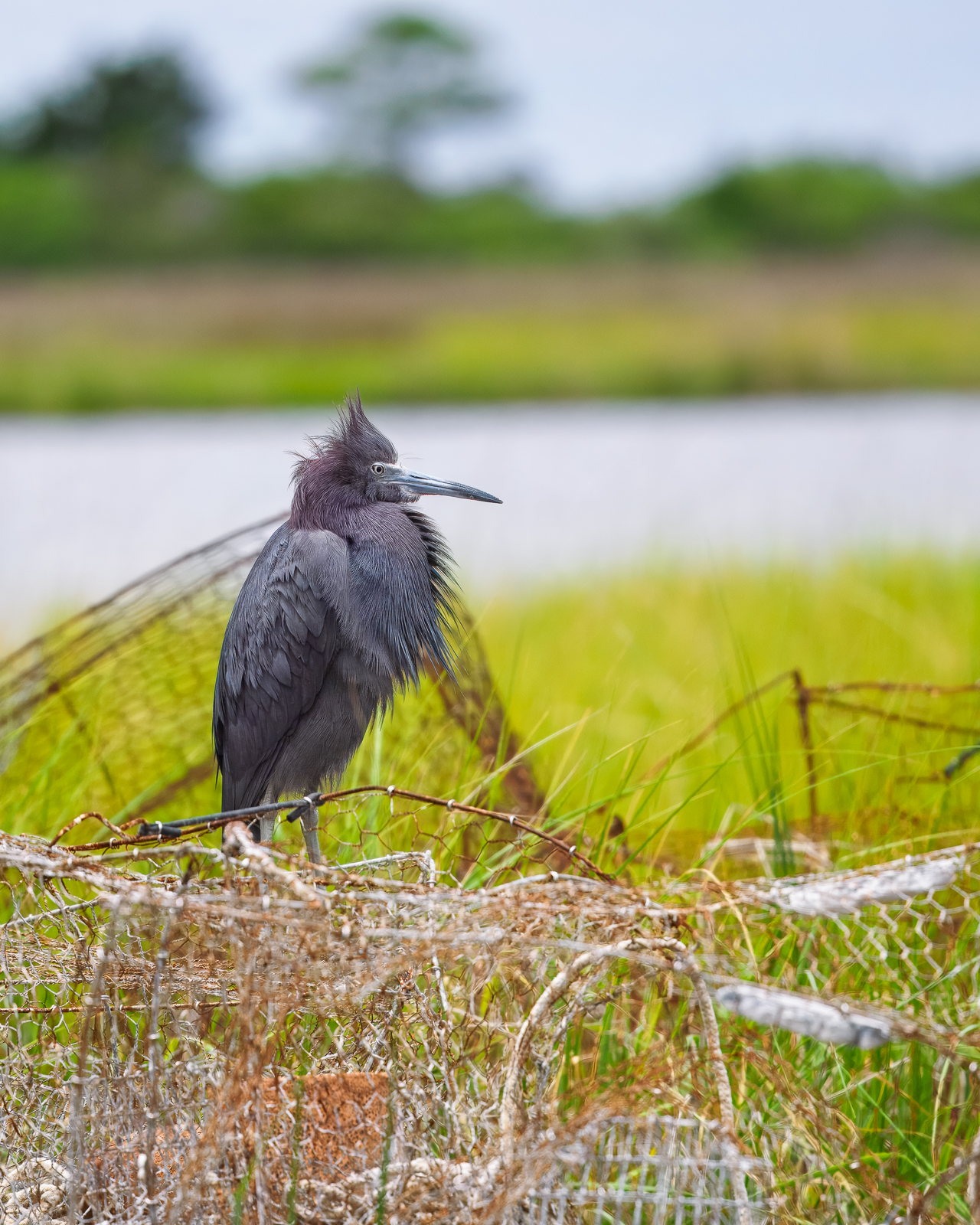
- Little Blue Heron perched on a pile of crab pots
-
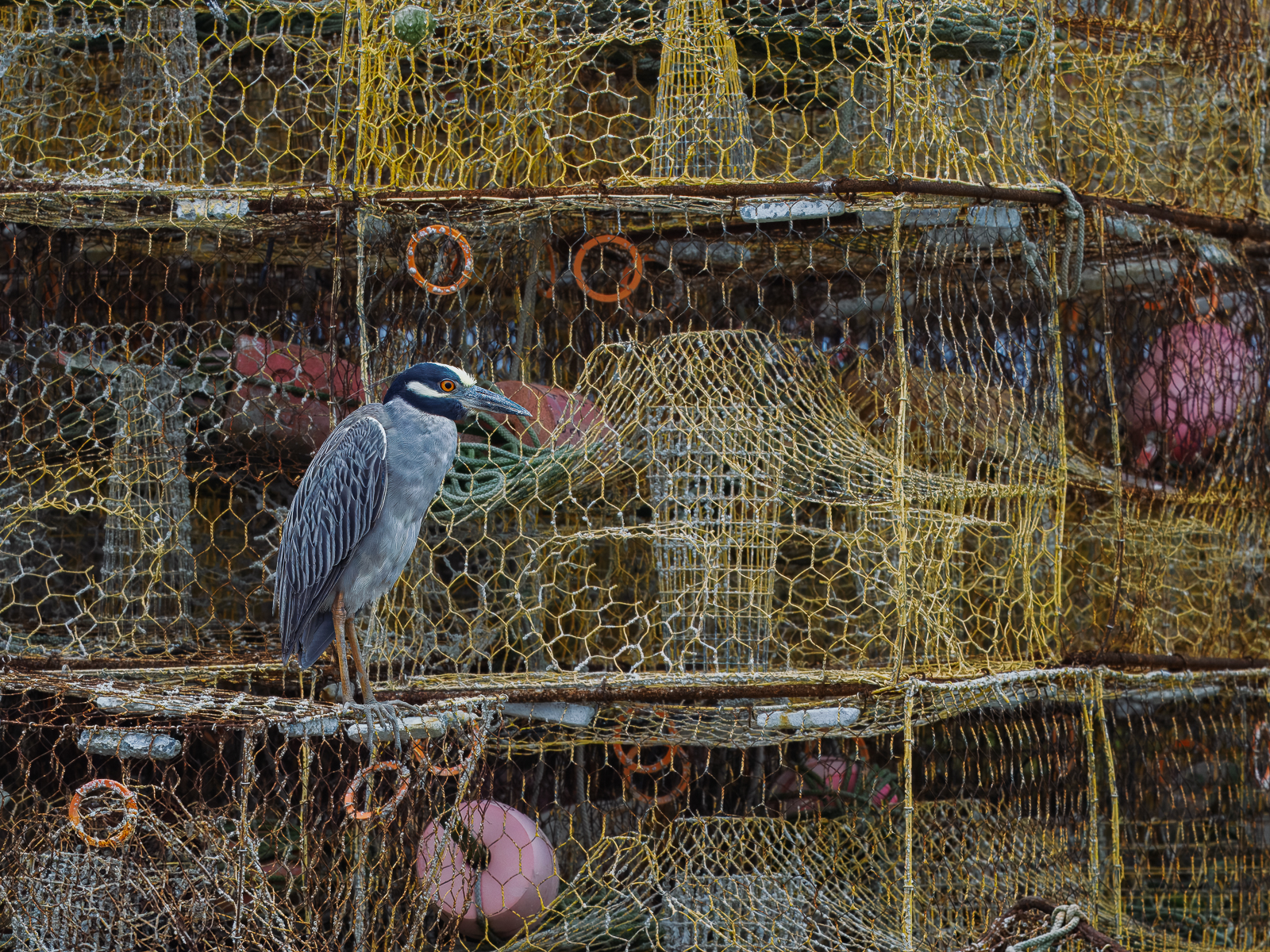
- Yellow-crowned Night-Heron perched on a pile of crab pots
-
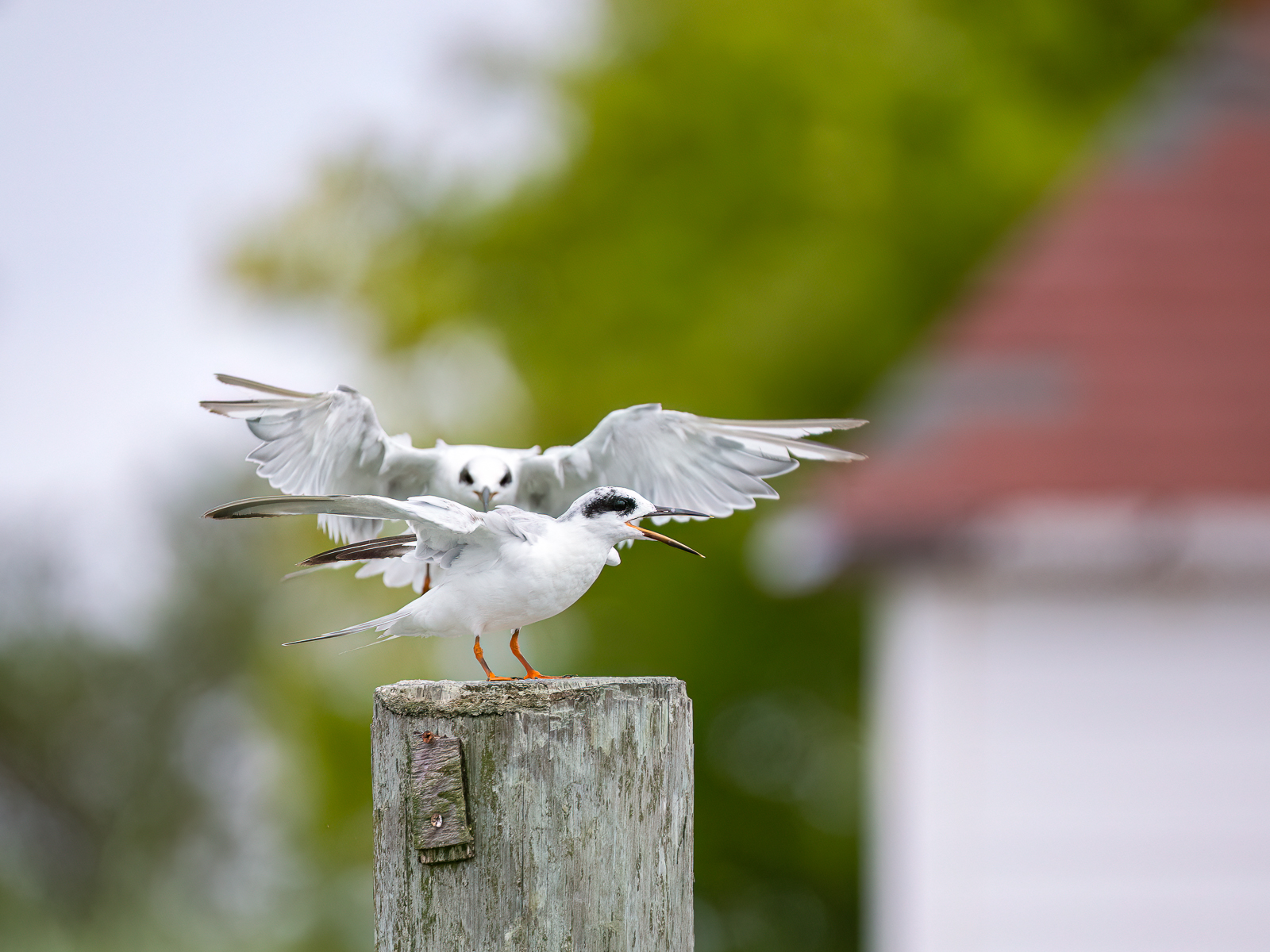
- Juvenile Forster’s Terns fighting for space on wooden pilings
After lunchtime, we all piled into smaller boats to make our way to the main colony. We’d already seen them from afar but our captain steered us closer, and closer, and closer… Until we were practically right next to the birds!
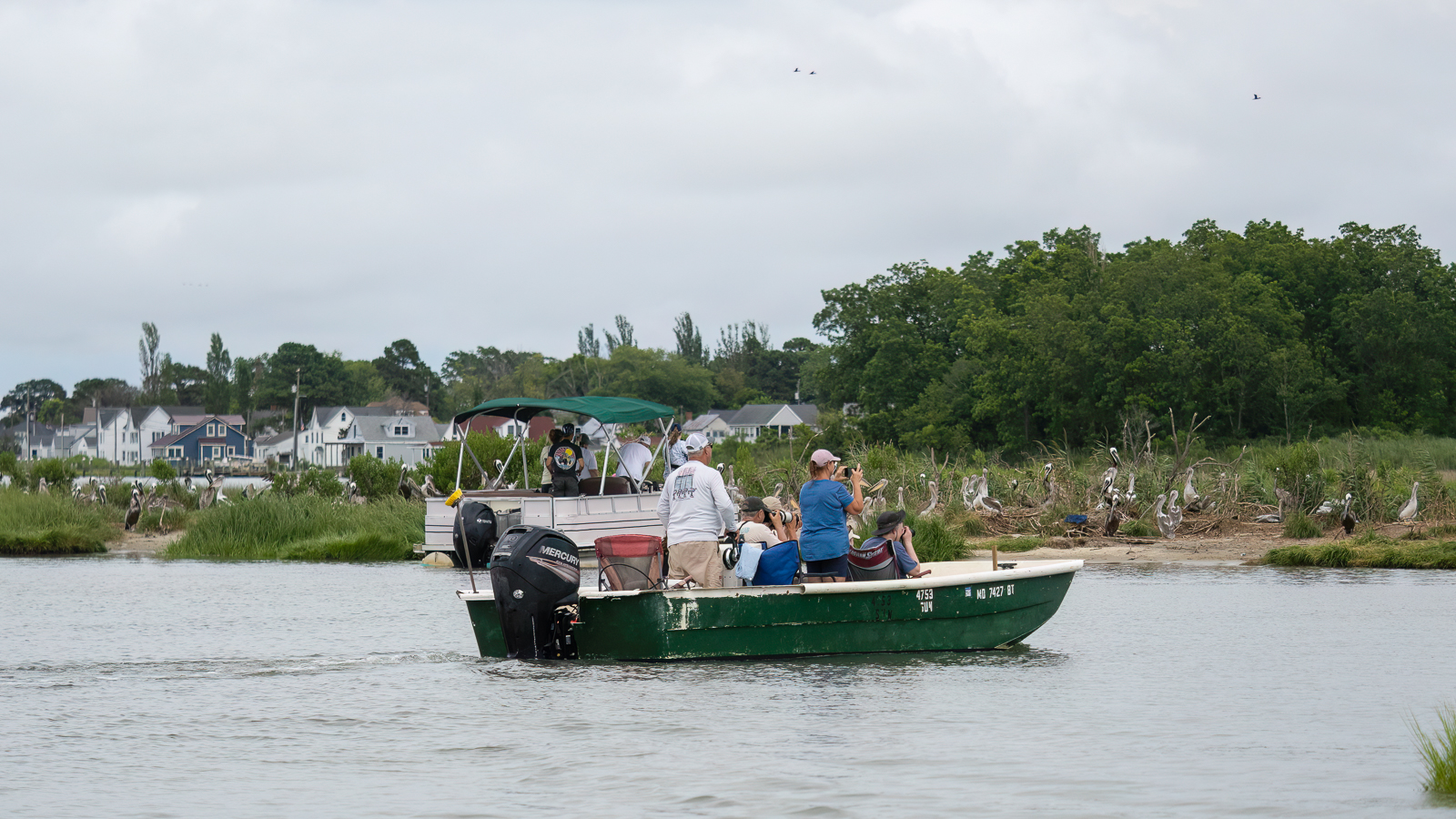
Smaller boats took us to the colony
It was incredible seeing them in so many life stages: downy chicks with oversized bills, scruffy juveniles playing, and sleek adults keeping a careful eye over everything. We were so close I could hear the clatter of the chicks’ bills as they wrestled.
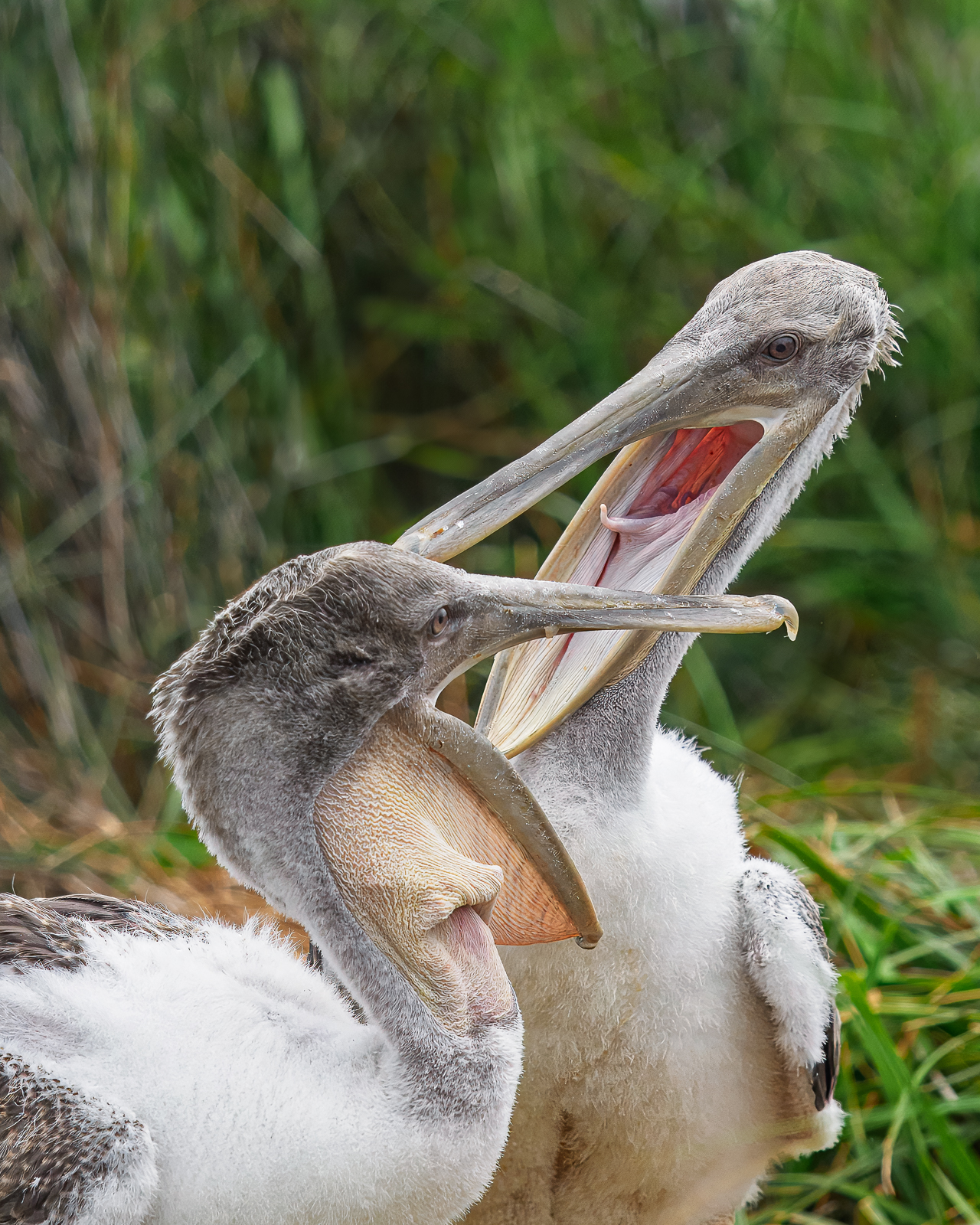
Juvenile Brown Pelicans play fighting
It’s hard to believe that there was a time when we could have lost this iconic species. In the mid-20th century, widespread use of the pesticide DDT poisoned the fish pelicans depended on, causing populations to crash. In 1970, Brown Pelicans were listed as endangered. Two years later, the EPA banned DDT, and with legal protections from the Endangered Species Act, conservationists worked tirelessly to help the species recover. Slowly, the pelicans returned. Today, they’re once again a common sight along much of the coast.
-
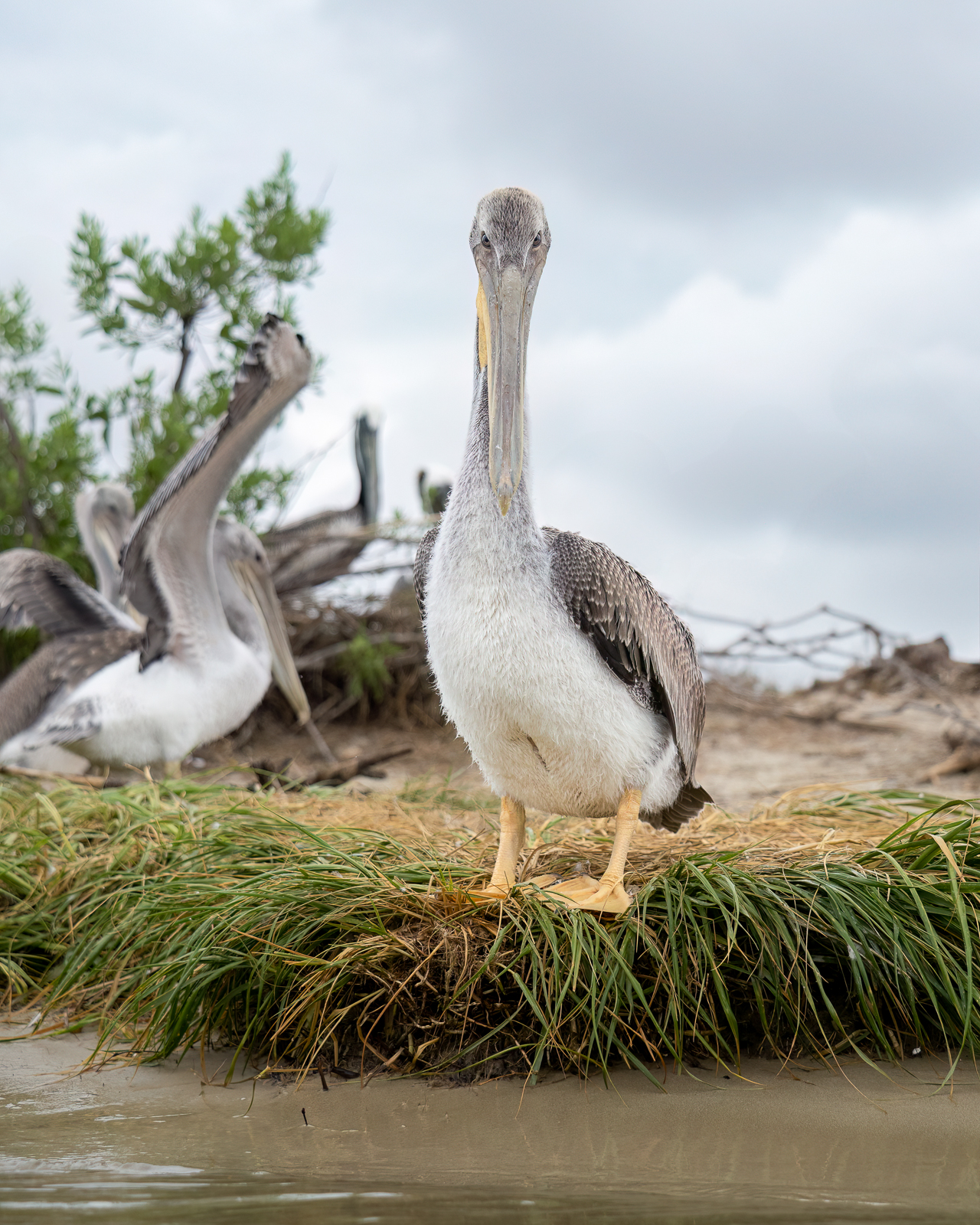
- Juvenile Brown Pelican
-
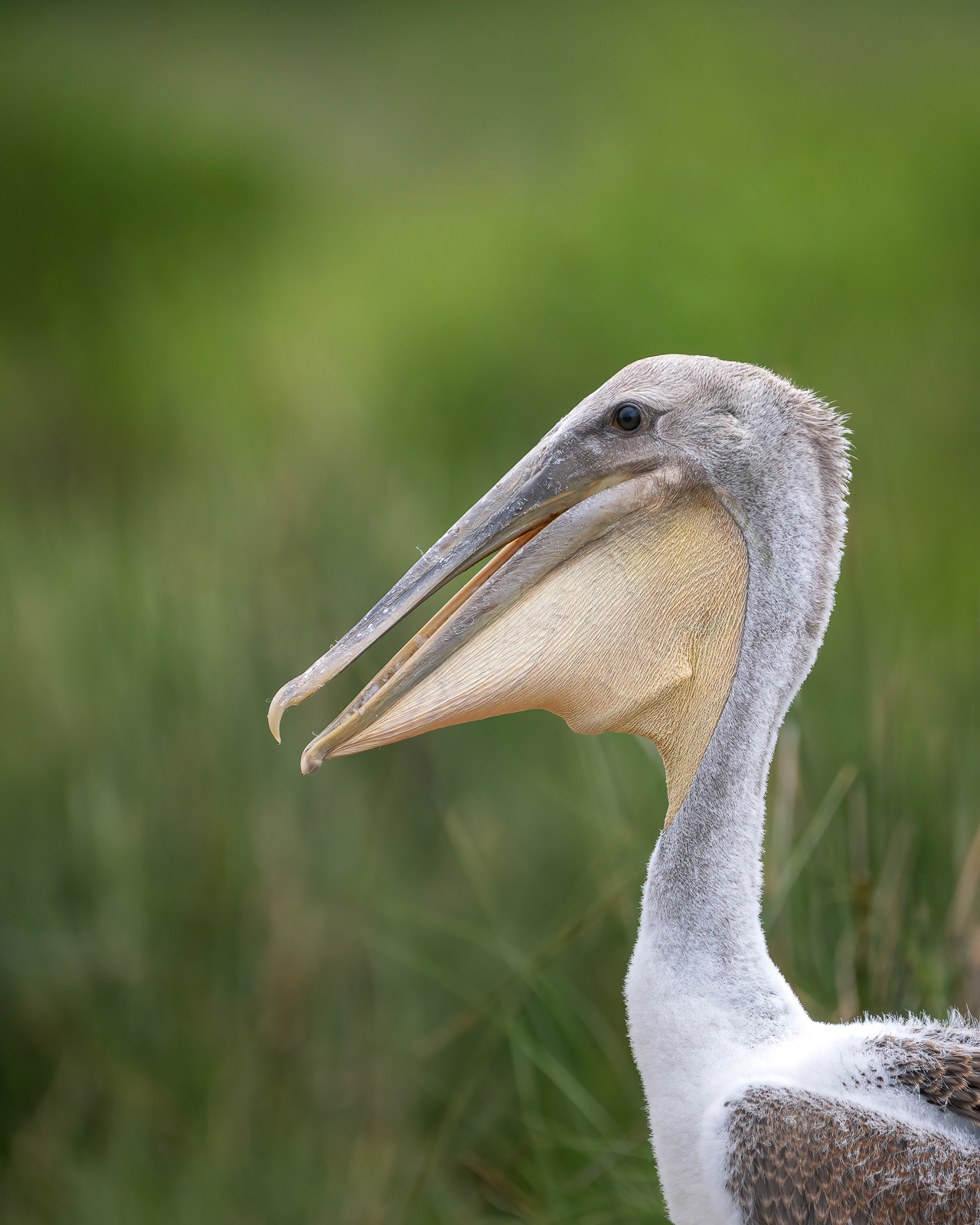
- Juvenile Brown Pelican
-
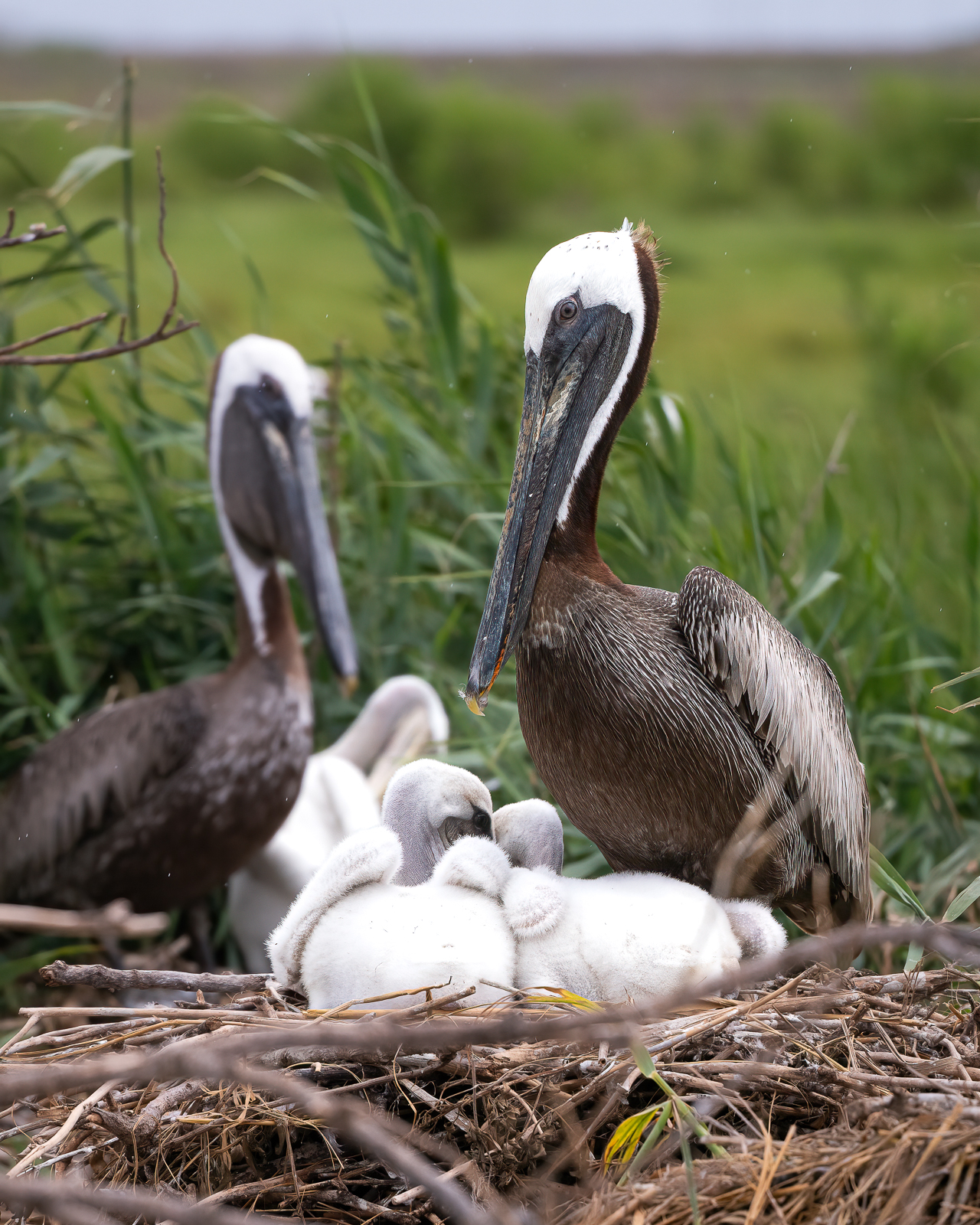
- Brown Pelican nest
-
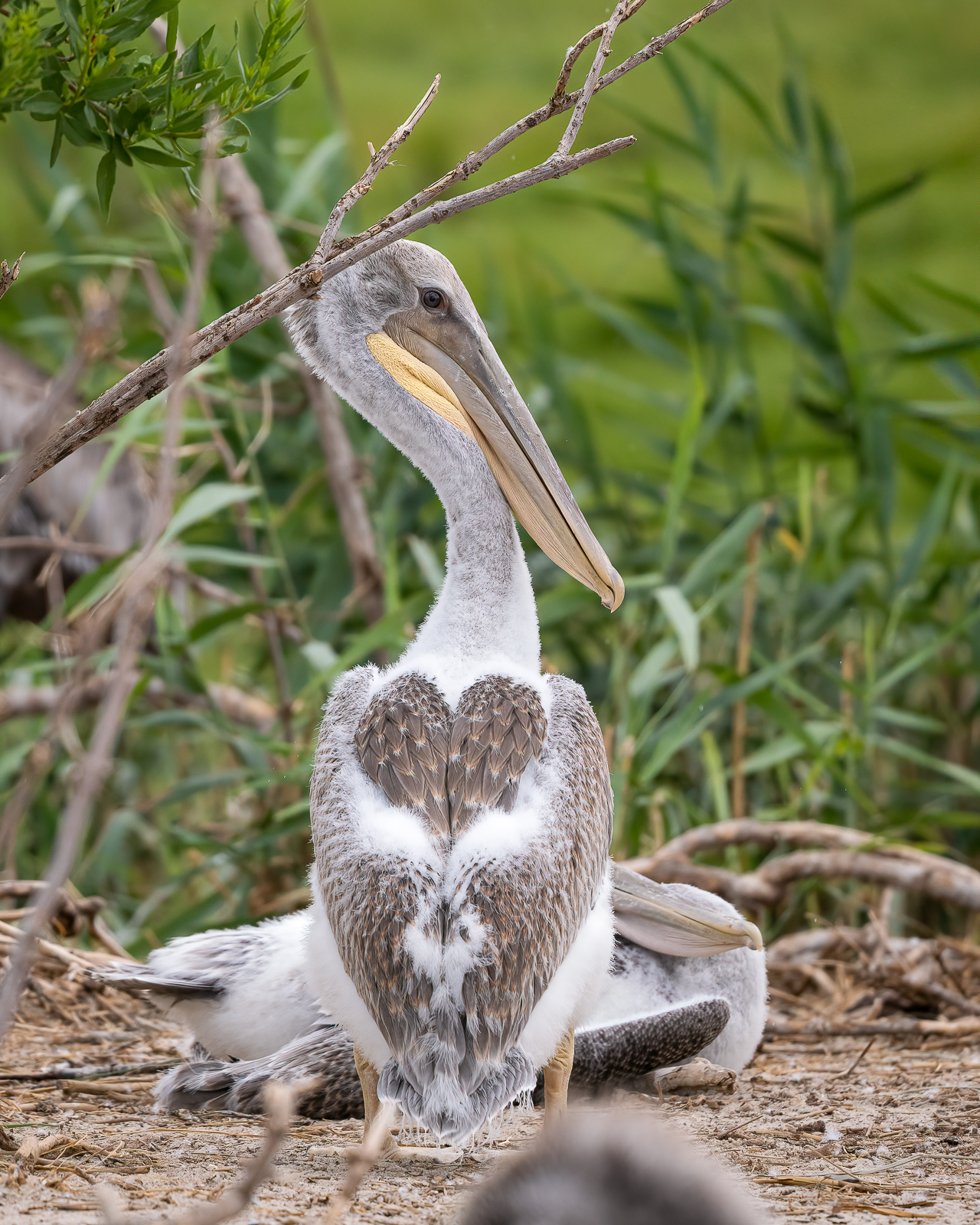
- Juvenile Brown Pelicans have hearts on their wings!
-
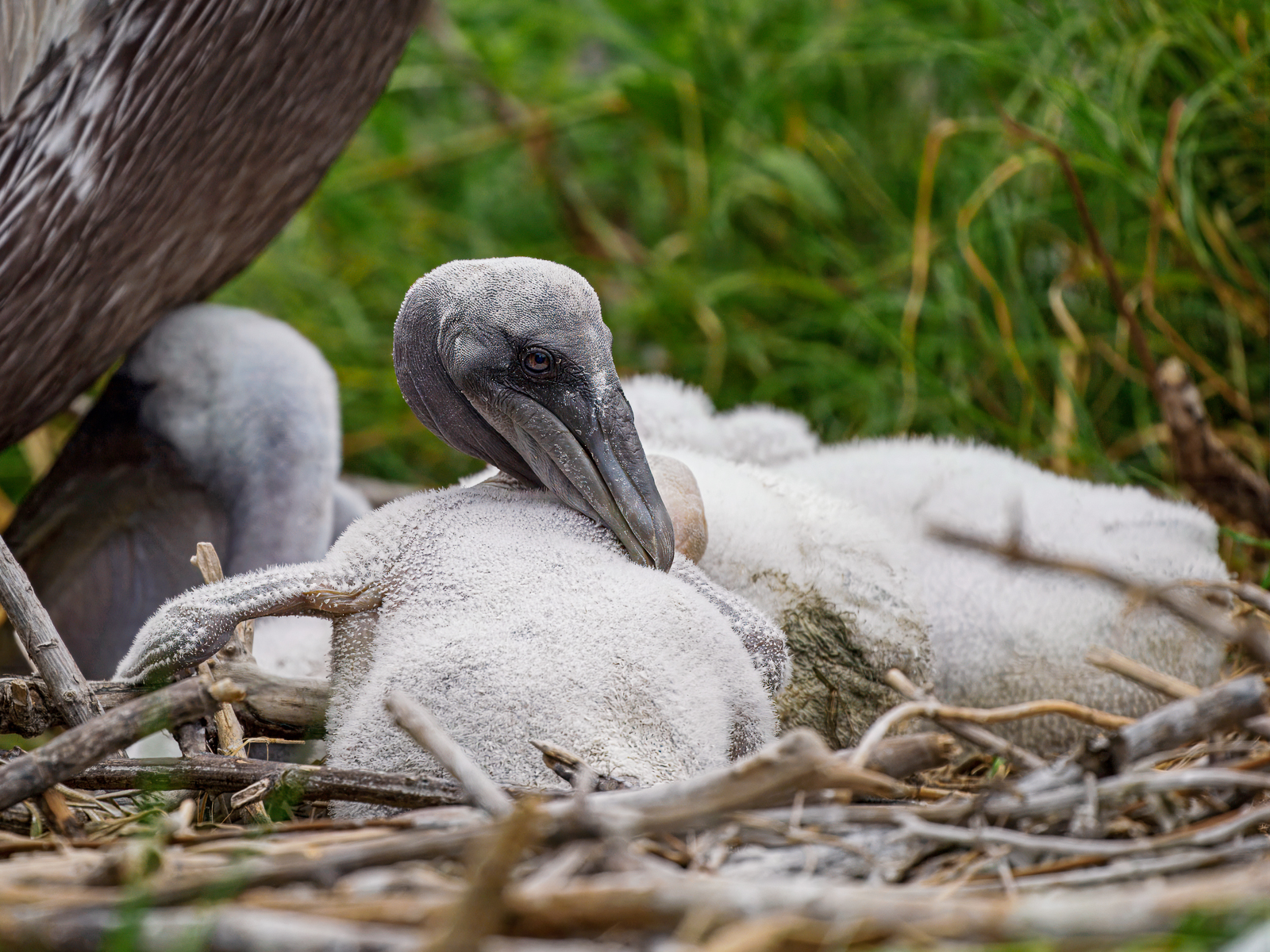
- Brown Pelican chick
-
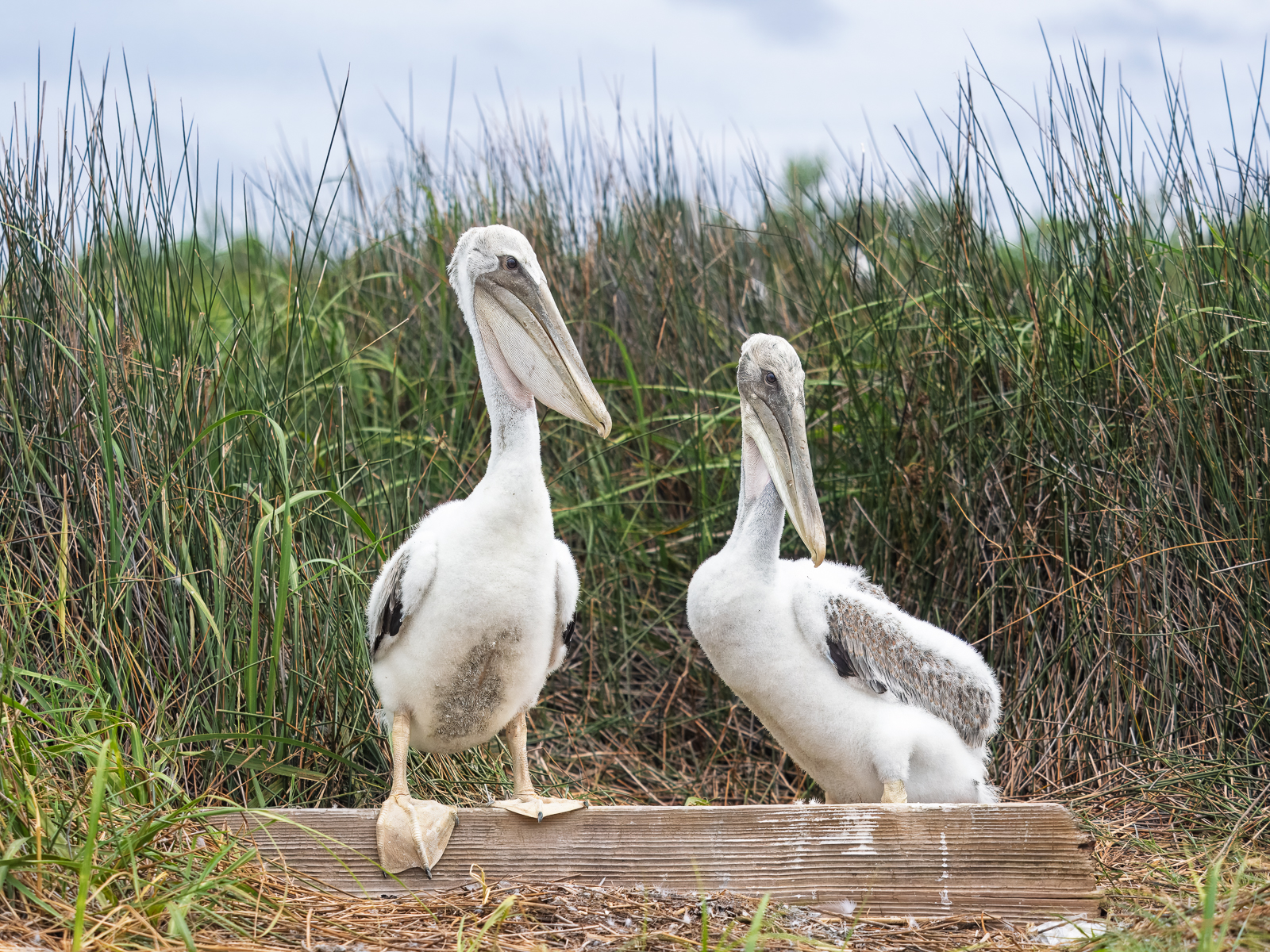
- Juvenile Brown Pelicans
But recovery, unfortunately, is not the end of this story. These birds now face new threats: rising seas and stronger storms fueled by climate change, habitat loss, oil spills, plastic pollution. Their resilience is inspiring, but that progress can be undone if we aren’t vigilant.
Watching those pelicans felt like seeing the past and (hopefully) the future all at once. Their comeback is proof that when we care enough to act, species can recover. Now it’s up to us, once again, to make sure they keep soaring.
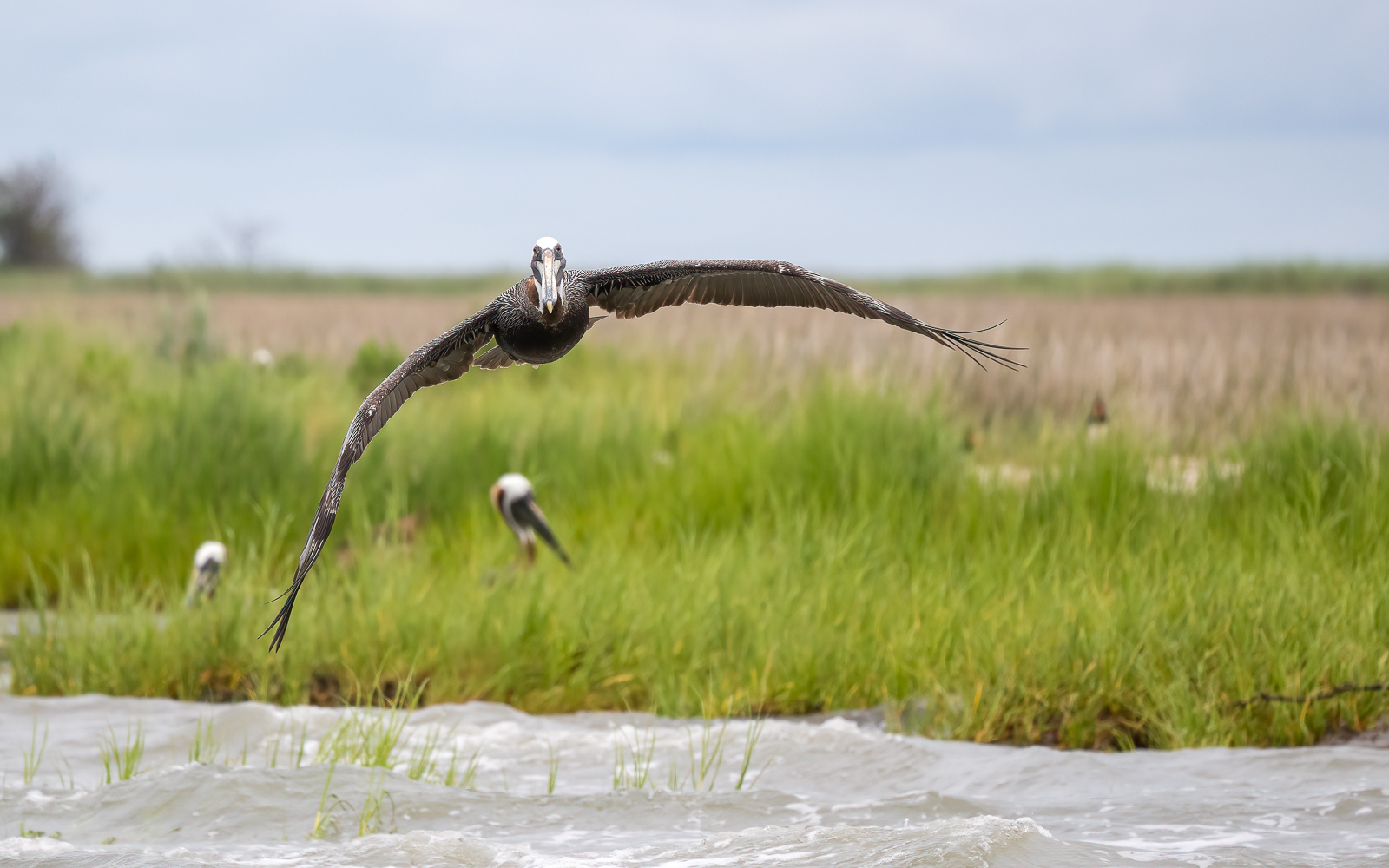
Brown Pelican
If you’re interested in your own pelican adventure, I highly recommend Delmarva Birding trips. They
also run all kinds of birding adventures throughout the year!
Leave a reply